
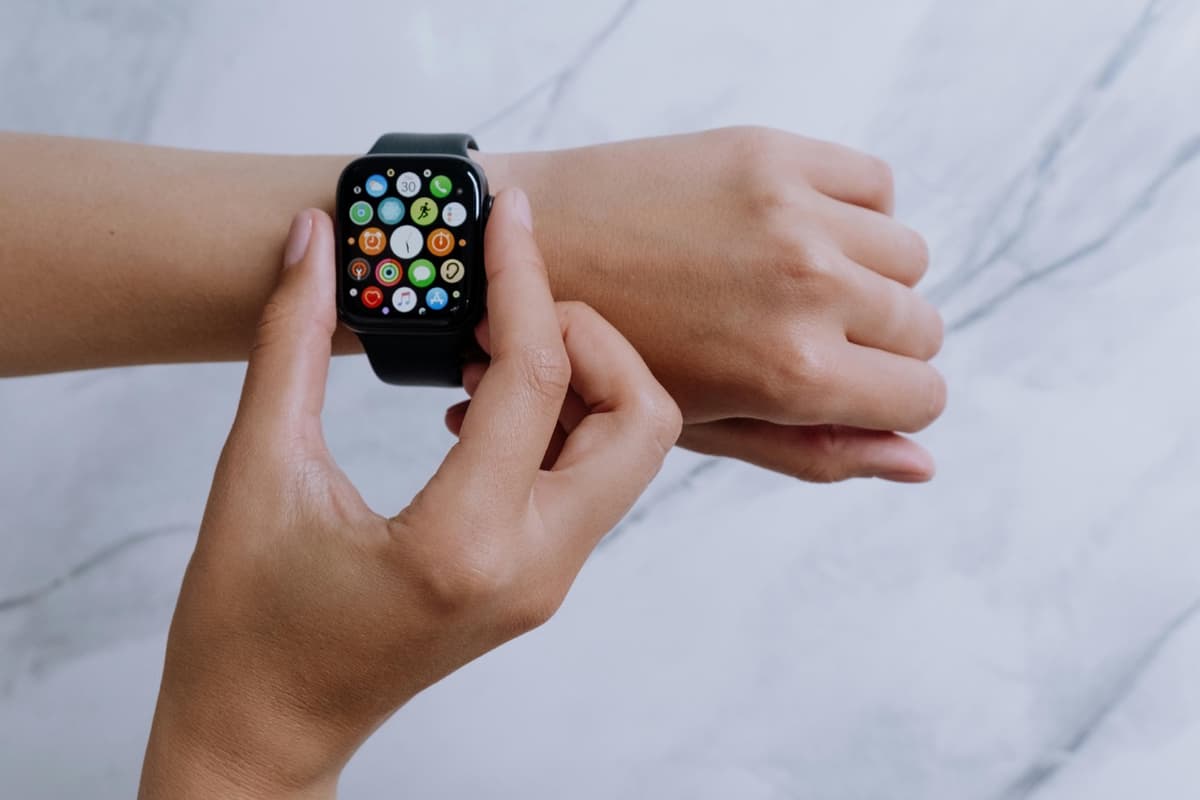
5 Tips for Using Your Apple Watch to Manage Stress Effectively
Unlock the full potential of your Apple Watch with these tips for managing daily stress, monitoring sleep, and understanding recovery.
Your Apple Watch is more than just a fitness tracker; it’s a powerful tool for managing stress and improving your well-being. By leveraging its features, you can turn daily monitoring into actionable insights. Here are five tips to help you use your Apple Watch to stay balanced and resilient.
1. Use HRV Data to Monitor Stress
Heart rate variability (HRV) is a reliable indicator of your stress levels. The Apple Watch measures HRV automatically, allowing you to keep track of your nervous system’s balance. Apps like Stress Tracker analyze this data to provide daily and weekly stress scores. Regularly reviewing this information can help you spot patterns and adjust your routine to minimize stress.
2. Enable Mindfulness Reminders
The Apple Watch includes a “Mindfulness” app that offers guided breathing exercises. Studies show that slow, deep breathing can significantly reduce cortisol levels, the hormone associated with stress. Setting reminders to pause and breathe throughout the day can help you stay calm and focused, especially during busy or overwhelming moments.
3. Track Sleep for Better Recovery
Stress management and quality sleep go hand in hand. Your Apple Watch tracks sleep duration and quality, providing insights into how well your body is recovering. With apps like Stress Tracker, you can view a sleep score alongside your stress and recovery data, making it easier to understand the impact of restful nights on your stress levels.
4. Set Activity Goals and Stay Active
Physical activity is a natural stress reliever. Use your Apple Watch to set and track daily activity goals. Meeting these goals, even with short walks or light exercises, can help release endorphins and improve mood. The watch’s notifications can also encourage movement if you’ve been sedentary for too long.
5. Review Trends and Make Adjustments
Apps designed for stress tracking, like Stress App, can provide detailed graphs and trends over time. These insights help you identify triggers and periods of heightened stress. By reviewing weekly and monthly trends, you can make informed changes to your lifestyle, such as adjusting your workload or prioritizing relaxation activities.
By incorporating these tips into your daily routine, you can unlock the full potential of your Apple Watch as a stress management tool. Consistent use will not only help you manage stress more effectively but also promote a healthier, more balanced lifestyle.